Wondering what it really feels like to live in Murrells Inlet? That is a smart question, because this coastal community is not one-note. Depending on where you land, your daily routine can feel walkable and social, quiet and nature-centered, or more residential with extra room to spread out. This guide breaks down the creekfront, marsh, and inland lifestyle bands so you can picture what fits you best. Let’s dive in.
Why Murrells Inlet Feels Different
Murrells Inlet is a compact coastal community in Georgetown County with 9,740 residents and 4,605 households as of the 2020 Census. It covers 7.32 square miles of land and has an owner-occupied housing rate of 86.0%, which points to a more established residential feel than a purely resort-driven market.
The area is also widely known as a historic fishing village and the Seafood Capital of South Carolina. In everyday terms, that means you get a place with a strong local identity, a recognizable waterfront core, and easy access to parks, trails, dining, and recreation that shape daily life.
For many buyers, the biggest key is this: Murrells Inlet works best when you think of it as a set of lifestyle zones, not one uniform neighborhood. The creekfront, marsh-edge, and inland areas each offer a different pace.
Creekfront Lifestyle in Murrells Inlet
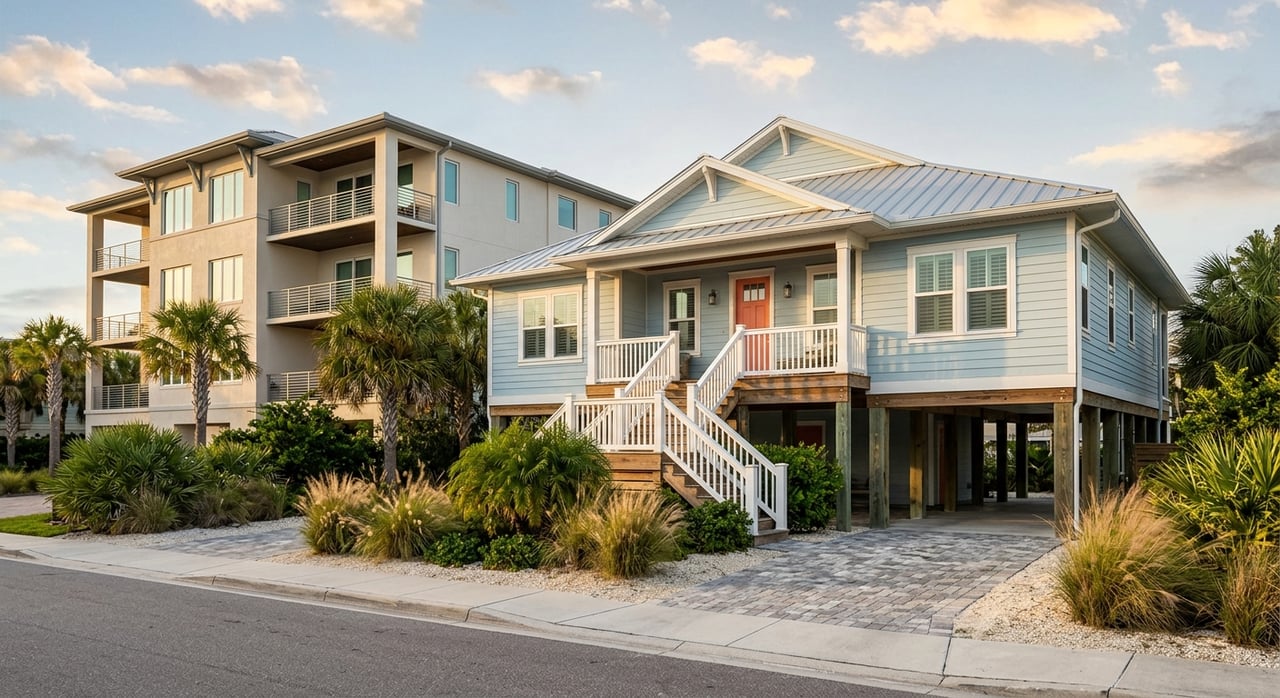
If you want to be close to the action, the creekfront core is often the first place people picture. This part of Murrells Inlet centers on the MarshWalk, a half-mile wooden boardwalk along a natural saltwater estuary in the heart of the historic fishing village.
Here, daily life tends to feel more walkable, social, and connected to the water. Official tourism and county sources highlight waterfront dining, live music nightly, water sports, charter fishing, kayaking, sightseeing tours, shopping, and seasonal events.
Public access also adds to that connected feel. Georgetown County highlights Jetty View Walk and Morse Park Landing as places that extend marsh access and support the waterfront’s public-facing, active atmosphere.
What daily life feels like
The creekfront lifestyle is a good fit if you like stepping out for dinner, being near marinas, and having water-oriented activity close by. You may trade some privacy and quiet for convenience and energy, but for many buyers, that is exactly the point.
This area can especially appeal to people who want low-maintenance living near the heart of town. Current market patterns suggest marina-adjacent townhomes and similar properties can line up well with buyers who prioritize location and ease over extra yard space.
Who may like creekfront living
You may prefer the creekfront band if you want:
- Walkable access to restaurants and entertainment
- Quick access to boating or marina settings
- A lively, social atmosphere
- A lower-maintenance property style
- A location that feels closely tied to Murrells Inlet’s historic waterfront identity
Marsh and Golf-Edge Lifestyle
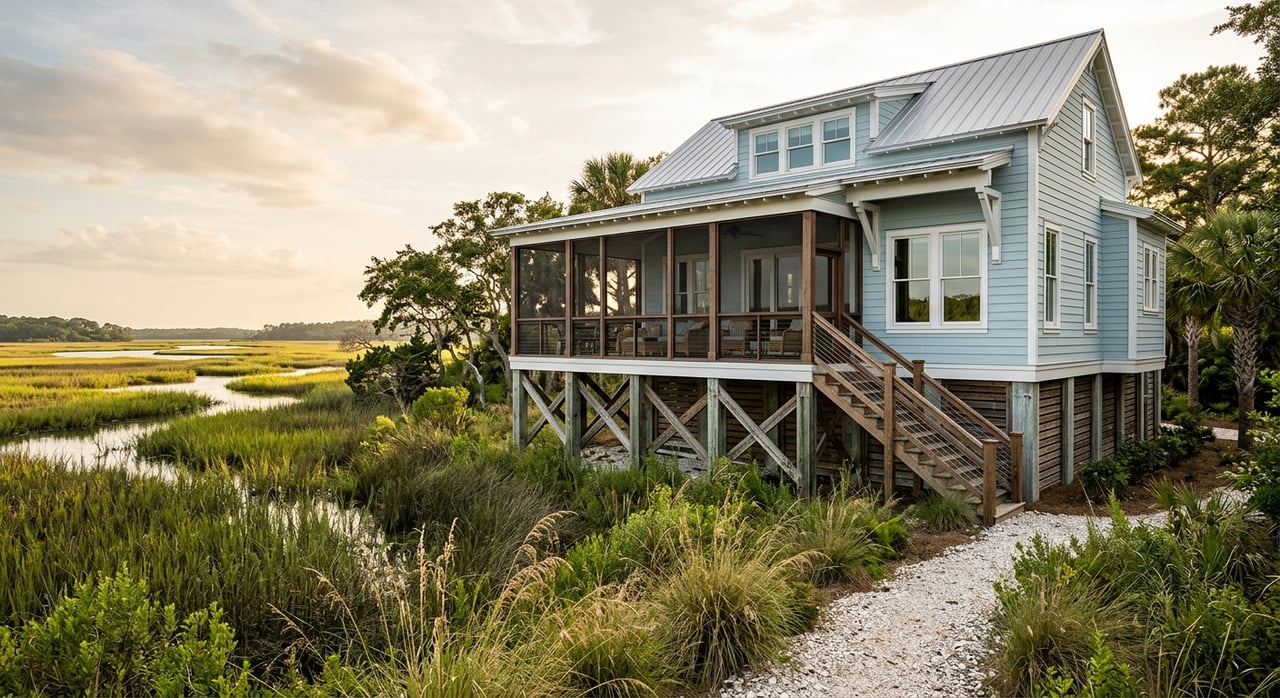
If your ideal day includes views, trails, birding, and a calmer recreational pace, the marsh and golf-edge areas may feel like home. This side of Murrells Inlet is shaped by major outdoor assets, especially Huntington Beach State Park and Brookgreen Gardens.
Huntington Beach State Park is a 2,500-acre coastal preserve with trails, birding, and dog-friendly access year-round. Brookgreen Gardens spans 9,100 acres and blends art, nature, history, and a native-animal zoo, giving this part of the area a strong nature-forward identity.
The Waccamaw Neck Bikeway also runs through the Murrells Inlet area, generally paralleling Highway 17 and connecting the inlet toward Pawleys Island. That adds another layer for people who want outdoor movement built into everyday life.
The pace is quieter and more scenic
Compared with the creekfront core, marsh and golf-edge living often feels more buffered and less centered on crowds. You are still close to the inlet’s attractions, but your home base may feel more tucked away and recreation-first.
Wachesaw Plantation Club adds a private-club option in the broader area with golf, tennis, pool, and dining. For buyers drawn to golf or club amenities, that can be part of the lifestyle picture, depending on the property and location you choose.
Common housing feel
Current inventory patterns suggest this lifestyle band often includes single-family homes on larger lots, golf-course homes, and some water-view settings. The overall appeal is usually less about being in the middle of the boardwalk scene and more about scenery, outdoor access, and a more relaxed pace.
Who may like marsh or golf-edge living
You may prefer this area if you want:
- Marsh views or a nature-buffered setting
- Proximity to trails, birding, and outdoor recreation
- A calmer day-to-day atmosphere
- Golf-oriented surroundings or nearby club options
- More single-family home choices with a scenic setting
Inland Lifestyle in Murrells Inlet
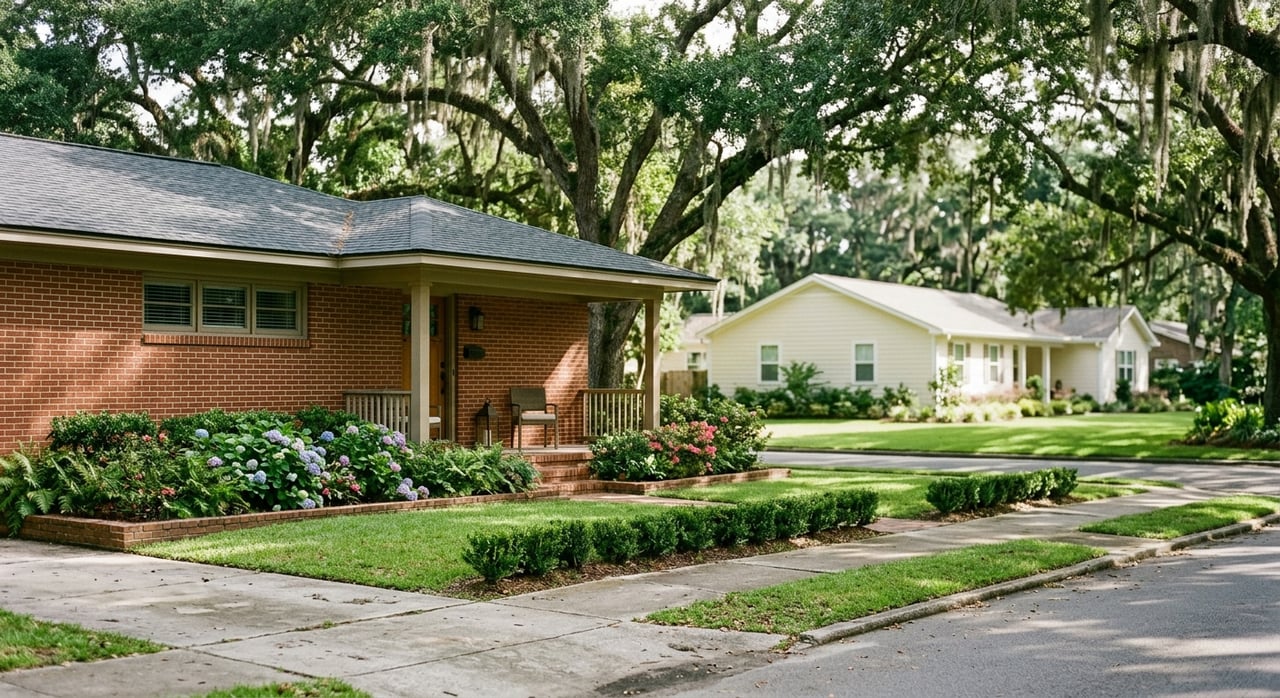
Not everyone wants to live near the busiest waterfront areas, and inland Murrells Inlet gives you a different kind of convenience. These neighborhoods often feel more suburban, more planned-community oriented, and more focused on everyday residential living.
This part of the market tends to offer a mix of townhomes and single-family homes. Current examples in the market point to HOA-managed, lower-maintenance options on one hand and more traditional homes with larger lots on the other.
Prince Creek is one example of the inland planned-community feel. It is described in current market materials as a 2,800-acre master-planned community with 26 neighborhoods, golf-cart-friendly roads, and private access points connecting toward Prince Creek Parkway, the MarshWalk, and south-end beaches.
More space and a steadier rhythm
For many buyers, inland living is about trading immediate walkability for more usable lot area, easier parking, and a more routine residential rhythm. You are still minutes from the water-oriented attractions, but your home environment may feel more practical for everyday routines.
That can matter if you want extra bedrooms, more storage, a yard, or simply a layout that feels more residential than destination-driven. It can also be a good match if you want to stay connected to Murrells Inlet without living in the middle of its busiest visitor areas.
Everyday convenience still matters
The inland side is not disconnected from the rest of the community. Georgetown County’s Murrells Inlet Community Center serves as a local civic anchor, and the Highway 17 corridor plus the Waccamaw Bikeway help tie inland neighborhoods back to the waterfront core, parks, and restaurants.
Who may like inland living
You may prefer inland Murrells Inlet if you want:
- More space for day-to-day living
- Planned-community features
- Townhome or single-family options
- Easier parking and a more residential pace
- Quick drives to the inlet, parks, and beaches instead of walkable proximity
Choosing the Right Murrells Inlet Fit
The best part of Murrells Inlet is that you do not have to force one lifestyle onto every property search. A buyer looking for a condo or townhome near dining and marinas may focus on the creekfront band, while someone wanting a single-family home with a scenic buffer may lean toward marsh or golf-edge areas.
If your priority is room to grow, easier daily logistics, or a planned-community setting, inland neighborhoods may be the stronger match. The right answer depends less on a label and more on how you want your days to feel once you move in.
A simple way to narrow your search is to ask yourself three questions:
- Do you want to walk to waterfront activity, or drive to it?
- Do you picture your free time around dining and boating, or trails and scenery?
- Do you want low-maintenance living, or more home and lot space?
What This Means for Buyers and Sellers
For buyers, understanding these lifestyle bands can save time and help you focus on the right inventory from the start. Instead of searching all of Murrells Inlet the same way, you can match property type, location, and daily routine much more clearly.
For sellers, this kind of local positioning matters too. A creekfront-adjacent condo, a marsh-view home, and an inland single-family property should not be presented with the same story, because buyers are often shopping for lifestyle as much as square footage.
That is where local knowledge makes a real difference. When you understand how Murrells Inlet functions on the ground, it gets easier to price, market, and search with more confidence.
If you are thinking about buying or selling in Murrells Inlet, working with a local, responsive expert can help you compare these lifestyle zones in a practical way. When you are ready to talk through condos, single-family homes, land, or investment property in the area, connect with The Kirk Stalvey.
FAQs
What is the creekfront lifestyle like in Murrells Inlet?
- The creekfront area is centered around the MarshWalk and tends to feel more walkable, social, and marina-adjacent, with dining, live music, boating, and public marsh access close by.
What is the difference between marsh and inland living in Murrells Inlet?
- Marsh-area living usually leans more scenic and recreation-focused, while inland living often feels more suburban, space-oriented, and centered on planned neighborhoods or traditional residential routines.
Is Murrells Inlet mainly a resort area or a residential community?
- Research points to a more established, owner-heavy residential market, with 86.0% owner-occupied housing and a strong local identity beyond visitor activity.
What outdoor amenities shape the Murrells Inlet lifestyle?
- Major outdoor anchors include the MarshWalk, Huntington Beach State Park, Brookgreen Gardens, the Waccamaw Neck Bikeway, and public access points like Jetty View Walk and Morse Park Landing.
Are there different property types across Murrells Inlet lifestyle areas?
- Yes. Current market patterns suggest creekfront areas often align with low-maintenance homes or townhomes, marsh and golf-edge areas often feature single-family homes with scenic surroundings, and inland areas offer a mix of townhomes and single-family homes.
How do I choose the best Murrells Inlet area for my needs?
- Start by thinking about whether you want walkability, scenery, or more day-to-day space, then compare locations based on how you want your routine to feel rather than just price or square footage alone.