Are you torn between Conway’s historic heart and a little more elbow room outside town? That choice can shape how your days feel, from how often you drive to the kind of home you come back to each night. If you’re trying to decide where you’d feel most at home in Conway, this guide will help you compare the lifestyle, housing, convenience, and day-to-day tradeoffs. Let’s dive in.
Downtown Conway at a Glance
Historic downtown Conway offers a more compact, character-filled setting. The Conway Downtown Historic District centers on Main Street between Third and Fourth Avenues, with nearby blocks that reflect the city’s historic commercial architecture.
That setting gives downtown a distinct sense of place. You’re not just choosing a location here. You’re choosing an environment shaped by older buildings, a tighter street grid, and a more active small-town core.
Historic character stands out
If charm matters to you, downtown has a strong pull. The city survey describes not only the historic commercial district, but also the nearby Conwayborough residential historic area, which includes about sixteen city blocks and ninety-nine historic properties.
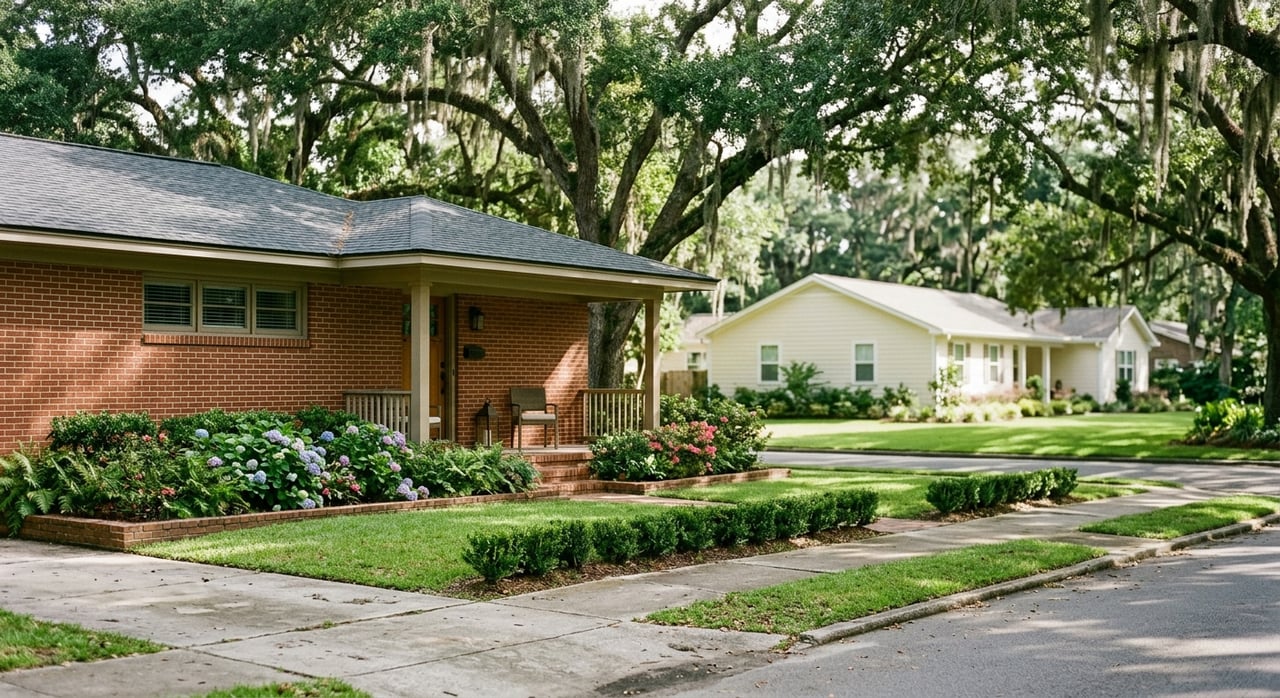
In that residential area, you’ll find mostly single-family homes, along with a few apartments and other community buildings. The housing styles include Queen Anne, Tudor Revival, Colonial Revival, Mission Revival, and bungalow or Craftsman homes, which creates a varied and visually distinctive streetscape.
The pace feels more connected
Downtown Conway is presented by Conway Downtown Alive as a place to shop, eat, and attend events. Its business mix includes antiques, apparel, gifts, boutiques, jewelry, and furniture, while dining options range from coffee shops and delis to pizza, taverns, ice cream, and full-service restaurants.
For many buyers, that means daily life can feel a little more spontaneous. You may have more nearby places to browse, grab a coffee, or enjoy local events without planning every outing around a longer drive.
What Living on the Outskirts Feels Like
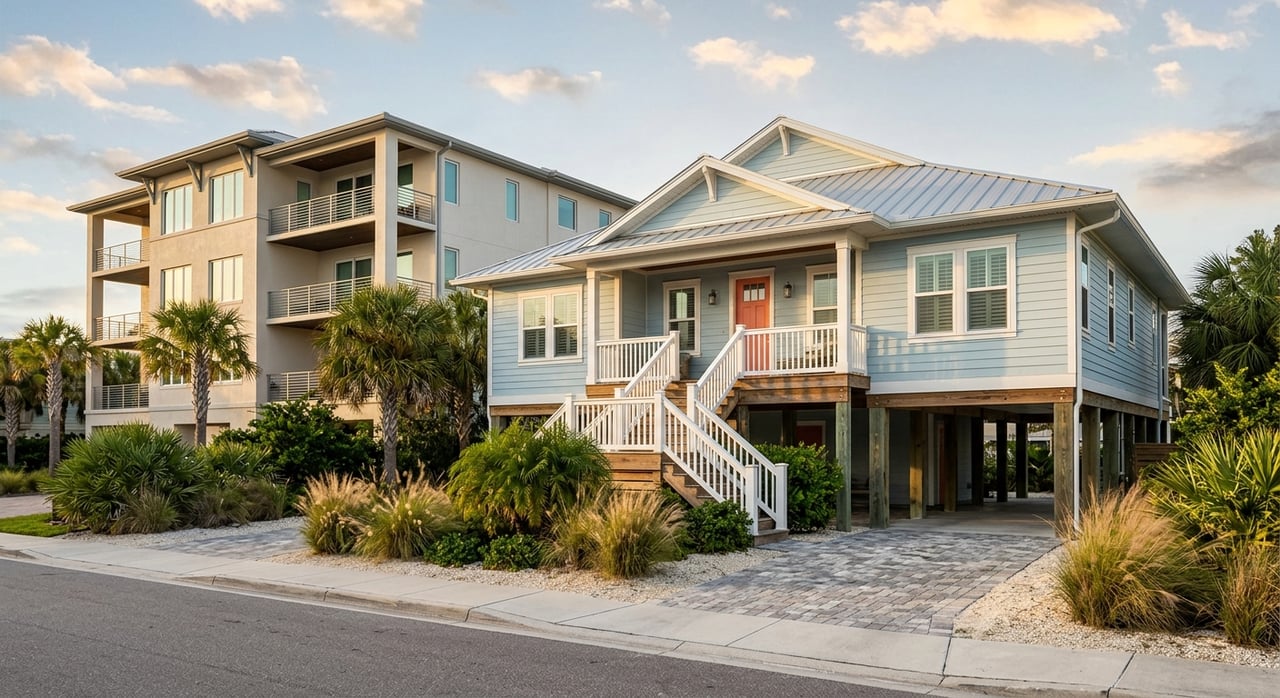
Outside the downtown core, the lifestyle usually shifts toward space, privacy, and a more car-oriented routine. Conway’s future land-use plan shows a broader mix of residential patterns, with neighborhoods that vary in style, lot size, and density.
Low-density residential lots are generally about 7,500 to 20,000 square feet, while rural residential areas are described as having large parcels that remain rural in nature. If you want more land or a lower-density setting, the outskirts may give you options that are harder to find near the historic core.
More room is often the big draw
For some buyers, the biggest advantage is simple: space. A home outside downtown may offer a larger lot, more separation from neighboring homes, and an overall quieter routine.
That can appeal to buyers who want room for outdoor projects, extra parking, or a more laid-back setting. It can also be a practical fit if you’re considering certain vacant land or investment opportunities, since property patterns outside the core are more varied.
Daily errands are usually drive-to
The tradeoff is convenience by foot. Conway’s land-use plan notes that highway commercial areas are typically found on or near major highways and are intended to provide shopping and entertainment opportunities.
In real-life terms, that usually means errands, dining, and entertainment outside the core are more likely to involve driving. If you prefer a routine where you hop in the car for most outings, that may not feel like a drawback at all.
Housing Styles and Home Feel
One of the clearest differences between downtown Conway and the outskirts is the kind of housing experience you’re likely to get. The choice is often less about better or worse and more about what feels right for your stage of life and priorities.
Downtown homes offer older style and variety
Near downtown, especially around the Conwayborough historic area, the housing stock tends to show more architectural variety. Buyers drawn to craftsmanship, established streetscapes, and older homes with visible character often find this part of Conway appealing.
Because the area is denser, homes may sit on smaller lots than you’d find farther out. In return, you may gain a location that feels more integrated with the historic center and its everyday activity.
Outskirts offer broader low-density options
Away from the core, housing patterns become more spread out. Established residential neighborhoods vary in style and density, and rural-residential areas offer a different feel from downtown’s tighter layout.
If your wish list includes more yard space, easier parking, or a quieter setting, outer areas may line up better with your goals. This can be especially helpful if you’re comparing single-family homes, vacant land, or properties with more room to grow into.
Convenience, Dining, and Local Activity
Your ideal location often comes down to how you want your free time to feel. In Conway, downtown and the outskirts create two different rhythms.
Downtown supports a browseable routine
Downtown Conway has a pedestrian-friendly, visitor-oriented feel supported by its self-guided historic walking tour, tree tour, and Riverwalk information. That points to a part of town where walking around and spending time in the area is part of the experience.
If you enjoy being near local shops, restaurants, and events, downtown likely feels more active. It can be a strong fit if you want your weekends and evenings to include more nearby options.
Outskirts support a quieter routine
Living farther out often means a calmer, more home-centered pace. You may have fewer walk-to destinations, but you may also enjoy less activity immediately around you.
That balance works well for buyers who value a quieter environment and do not mind driving to restaurants, shopping, or entertainment. For many people, that tradeoff is worth it for the added space and lower-density setting.
Commuting and Getting Around Conway
Transportation can influence your lifestyle just as much as the home itself. Conway sits within a regional road network where driving plays a major role.
Visit Myrtle Beach identifies S.C. 22, S.C. 31, U.S. 501, and S.C. 544 as major routes in the area. Horry County is also advancing major projects like Conway Perimeter Road and Conway River Crossing to improve connectivity and help with congestion.
Downtown may reduce local trips
If your routine centers on Conway itself, downtown living can support shorter local trips. With shops, dining, and events concentrated in the core, you may find yourself making fewer separate car trips for small errands or casual outings.
That does not mean you won’t drive. It simply means the downtown setup may feel more convenient for local day-to-day living.
Outskirts may help with highway access
If you commute beyond central Conway or want easier access to major roads, the outskirts can have an advantage. Living closer to outer corridors may make it easier to connect to routes like U.S. 501 or S.C. 22.
The tradeoff is that your lifestyle will usually be more road-dependent overall. Faster access to major roads does not always mean less time in the car day to day.
Public transit exists, but driving still leads
Coast RTA’s June 7, 2026 service changes state that Route 7 connects Myrtle Beach, MYR, and Conway with 60-minute frequency, restored afternoon trips to Conway, a route to Myrtle Beach International Airport, and an extension along S. 501.
That service can be helpful in some situations, but most buyers will still experience Conway as a car-oriented market. For many households, the bigger question is not whether you will drive, but how much driving you want built into your routine.
Key Things Buyers Should Verify
No matter which side of Conway fits your lifestyle, a few practical checks can help you avoid surprises.
Check utilities on edge-of-town properties
If you’re looking outside the core, confirm utility details early. Conway’s public utility map is specifically designed to show whether water or sewer service is available at a specific property, and the city GIS separates city limits from the utility service area.
That matters because an edge-of-town property may not have the same service setup as a home in town. If you’re considering vacant land or a home with a little more acreage, this step is especially important.
Match the property to your routine
Before you focus only on price or square footage, think about how you actually live. Do you want nearby restaurants and events, or do you prefer more land and a quieter setting?
A home can look great on paper and still miss the mark if the location does not support your day-to-day habits. The right fit usually comes from balancing home features with how you want your week to feel.
Which Conway Lifestyle Fits You Best?
Downtown Conway is usually the better fit if you want historic character, a denser street grid, nearby shops and restaurants, and a more active small-town atmosphere. The outskirts are often a better fit if you want more land, lower-density housing patterns, easier parking, and a quieter routine built around driving.
Neither choice is automatically better. It comes down to whether you want your home base to feel more connected and walkable, or more spacious and tucked away.
If you’re weighing historic downtown Conway against the outskirts, local insight can make the decision a lot easier. The Kirk Stalvey can help you compare neighborhoods, property types, and day-to-day tradeoffs so you can move with confidence.
FAQs
Is downtown Conway active for daily life and weekends?
- Yes. Conway Downtown Alive lists shops, restaurants, and recurring events, which supports an active small-town downtown experience.
Are there historic homes near downtown Conway?
- Yes. The Conwayborough residential historic area includes mostly single-family homes and a range of styles such as Queen Anne, Tudor Revival, Colonial Revival, Mission Revival, and Craftsman or bungalow homes.
Do Conway outskirts usually offer larger lots?
- Often, yes. Conway’s land-use plan says low-density residential lots are generally 7,500 to 20,000 square feet, and rural residential areas have larger parcels that remain rural in nature.
Does living outside downtown Conway mean a shorter commute?
- Not always. Outer areas may offer quicker access to major roads like U.S. 501 and S.C. 22, but they also usually come with a more drive-dependent daily routine.
What should buyers verify for edge-of-town Conway properties?
- Buyers should confirm water and sewer availability and review how the property relates to city limits and the utility service area.
Is Conway walkable if you live downtown?
- Downtown is the more browseable and pedestrian-oriented part of Conway, supported by its shops, dining, walking tour, tree tour, and Riverwalk information.