If you picture your retirement with salty breezes, boat decks, easy golf, and a relaxed pace, Little River deserves a close look. You want a coastal lifestyle that feels friendly and convenient without big‑city stress. In this guide, you’ll see what daily life looks like, what costs to plan for, the housing choices that fit low‑maintenance living, and how to navigate coastal specifics like flood zones and insurance. Let’s dive in.
Why Little River appeals to retirees
Little River sits on the northern end of the Grand Strand near the North Carolina border. You get quick access to the Intracoastal Waterway, marinas, and fishing charters, with beaches in nearby North Myrtle Beach. Winters are mild, summers are warm, and there is a steady flow of seasonal events.
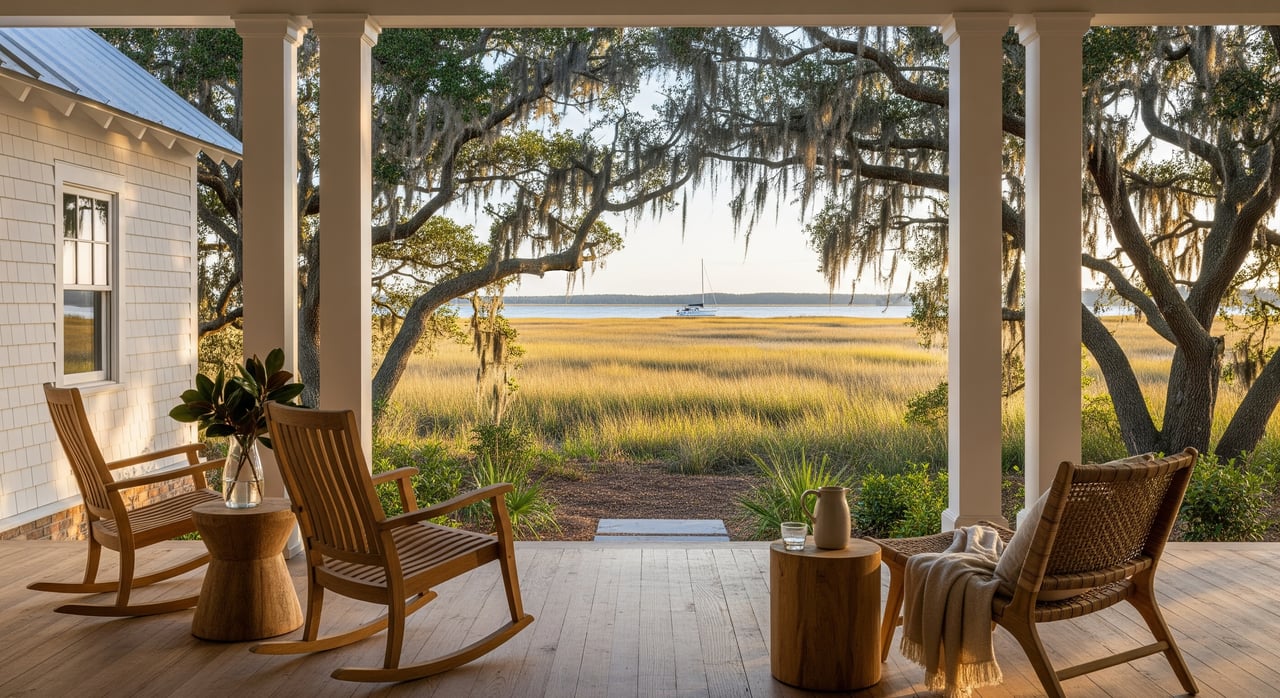
The feel is quieter than central Myrtle Beach, yet summer and holiday seasons bring more activity across the area. If you enjoy boating, beach walks, golf, or simply watching the water, you can find all of that within a short drive.
Everyday amenities and convenience
Water and beaches
You can launch into the Intracoastal Waterway for boating and fishing, or book local charters. Public beaches in North Myrtle Beach are a quick drive for morning walks and evening sunsets.
Parks and golf
The Grand Strand is a major golf destination, and you will find several public and private courses within about 10 to 30 minutes. Parks, walking paths, and waterfront promenades give you simple, low‑impact ways to stay active.
Shopping and services
Day‑to‑day needs are close by. Expect local groceries, pharmacies, and independent restaurants in Little River, with larger retail, specialty medical, and big‑box stores concentrated in North Myrtle Beach and Myrtle Beach.
Social life and clubs
You can plug into card groups, fitness classes, walking clubs, and seasonal events through community associations. The broader Grand Strand supports senior centers, volunteer organizations, arts groups, and yacht or golf clubs that make it easy to meet people.
Getting around
Walkability varies by neighborhood. Near the waterfront you may find more village‑style pockets, while other areas feel suburban and car‑oriented. Public transit is limited compared with big metros, so most residents rely on personal vehicles, with rideshare as a backup.
Housing options for retirees
You will find single‑family homes, patio and townhome communities, condos, manufactured home communities, and some age‑restricted 55+ options. Your choice usually comes down to maintenance preferences, amenity access, and budget.
Low‑maintenance living
Condos and many townhome communities include exterior maintenance, landscaping, and common‑area care through the HOA. This can reduce weekend chores and make travel easier. Review what the HOA covers, reserve funding, and recent budget history before you buy.
55+ community considerations
Age‑restricted communities often have occupancy rules, on‑site amenities, and active social calendars. Availability in Little River is more limited than in larger metros, so many retirees choose condos or low‑maintenance neighborhoods that are not age‑restricted. Always confirm specific age and occupancy rules.
Waterfront vs. inland maintenance
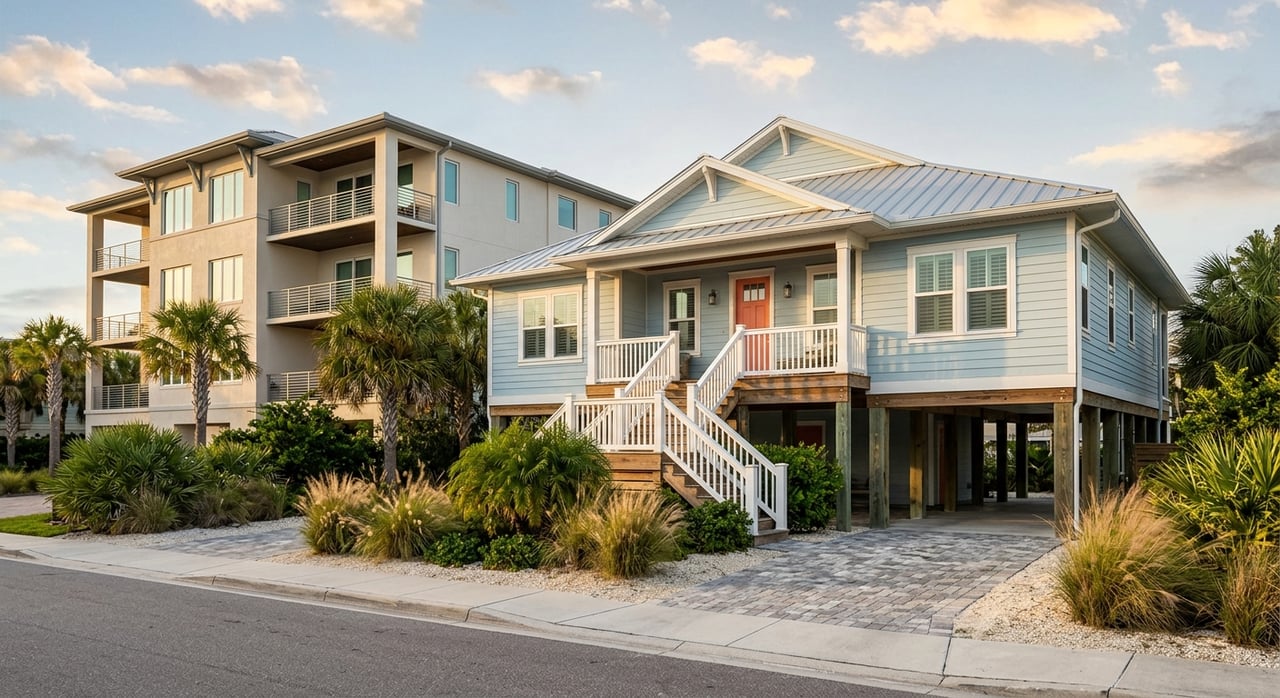
Waterfront single‑family homes can offer docks and views, but they typically carry higher maintenance and insurance costs, and flood zone research is essential. Inland homes away from surge zones may reduce risk exposure and maintenance but still keep you close to beaches and golf.
Cost of living essentials
Costs vary by property type and lifestyle. Use the list below to plan and then verify current numbers with trusted sources.
- Housing: Compare condo, townhome, and single‑family options. Include purchase price or rent, HOA dues, and reserves for maintenance.
- Property taxes: Check current rates, assessments, and any senior exemptions with the county. Start with the Horry County Assessor.
- Utilities: Budget for electricity, water and sewer, and internet. Some condos include certain utilities in HOA dues.
- Insurance: Coastal homeowners insurance and wind coverage can vary, and standard policies usually exclude flood. Learn about coverage types and market trends through the South Carolina Department of Insurance.
- Flood insurance: If a home is in a FEMA flood zone and you have a mortgage, flood insurance is typically required. Check a property’s risk at the FEMA Flood Map Service Center and get quotes based on the exact address and elevation.
- Groceries and transportation: Track your personal spending patterns, and use national references like the Bureau of Labor Statistics Consumer Price Index to understand inflation trends.
Tip: For any home you are considering, request recent utility bills, the current tax assessment, and a copy of the HOA budget and reserve study if applicable.
Healthcare and senior services
Basic and emergency care is available in the area, with larger regional hospitals within about a 20 to 40 mile radius for specialized services such as cardiology, orthopedics, and oncology. To compare nearby hospitals and service lines, use the Medicare Care Compare hospital finder.
Urgent care clinics and primary care offices are available locally, and many providers accept Medicare. For support programs like nutrition services, in‑home assistance, and transportation, the Horry County Council on Aging and the Area Agency on Aging are helpful contacts.
Coastal risks, insurance, and preparedness
Living near the coast adds a few extra steps to your due diligence.
- Flood zones: Confirm a property’s FEMA flood zone, base flood elevation, and any elevation certificates through the FEMA Flood Map Service Center. Even homes outside high‑risk zones can benefit from coverage.
- Hurricane season: Runs June through November. Review building standards, shuttering options, and your local evacuation route. The NOAA National Hurricane Center preparedness guide is a helpful starting point.
- Insurance: Expect higher premiums and storm deductibles closer to the water. Speak with licensed agents and consult the South Carolina Department of Insurance to understand policy types, wind and hail coverage, and the difference between NFIP and private flood policies.
- Maintenance: Plan for moisture control, salt‑air corrosion on exterior metals, and periodic roof and window inspections.
Two sample retirement living profiles
These examples show how lifestyle and costs can vary. Use them as a starting point and confirm details for specific communities.
1) Condo near the waterfront
- Lifestyle: Lock‑and‑leave convenience, short drive to marinas and beaches, on‑site amenities like a pool or clubhouse.
- Costs to evaluate: HOA dues that may include exterior maintenance, landscaping, trash, and reserve funding. Ask for the last 3 years of budgets and reserve studies.
- Pros: Low maintenance, smaller footprint, strong social connection if amenities are active.
- Considerations: HOA rules and potential assessments, limited storage, pet restrictions, and elevator access if not on the first floor.
2) Single‑family home near golf
- Lifestyle: More privacy and storage, space for hobbies, easy access to courses and parks.
- Costs to evaluate: Homeowners insurance, possibly lower HOA dues, lawn and exterior maintenance, and utilities for a larger home.
- Pros: Yard for gardening or pets, easier hosting for family visits.
- Considerations: Higher maintenance time and cost, potential need for storm shutters or upgrades, and varying drive times to marinas and beaches.
Neighborhood‑fit checklist
Use this one‑page list to compare neighborhoods and homes. Bring it to showings.
- Health and safety
- Drive time to nearest hospital with an emergency department
- Distance to primary care, cardiology, orthopedics, and other specialists
- Local emergency services and expected response times
- Home and maintenance
- Home type: condo, townhouse, single‑family, or manufactured
- HOA fees and inclusions; review the last 3 years of budgets and reserve studies
- Exterior maintenance and landscaping responsibilities
- Age and condition of the roof, HVAC, plumbing, and electrical systems
- Cost and taxes
- Estimated monthly housing cost: mortgage or rent, HOA, utilities, and insurance
- Current property tax rate and recent assessment trend through the Horry County Assessor
- Flood insurance quotes if in or near a mapped flood zone
- Lifestyle and convenience
- Walkability for daily needs: grocery, pharmacy, banking, post office
- Proximity to recreation: beaches, marinas, golf courses, parks
- Social groups, faith communities, and volunteer opportunities
- Safety and hazards
- FEMA flood zone, base flood elevation, and local storm surge history via the FEMA Flood Map Service Center
- Evacuation route and shelter options; review the NOAA hurricane preparedness guide
- Accessibility and family
- Drive time to family and friends, and to the airport for travel
- One‑floor living, elevator access, and bathroom safety features like grab bars
- Community rules and growth
- Age restrictions, rental rules, and pet policies
- Planned developments or zoning changes from county planning
- Resale and rental potential
- Historical sales activity and days on market in the neighborhood
- Short‑term rental restrictions if you plan occasional rentals
Questions to ask at a showing
- What exactly does the HOA cover, and when was the last reserve study completed?
- Are there any special assessments planned or pending?
- What are typical monthly utility bills for this home?
- What is the home’s FEMA flood zone and base flood elevation, and is there an elevation certificate on file?
- Are there recent service records for the roof, windows, and HVAC?
- If upper‑floor condo, how often is the elevator serviced, and by whom?
Next steps
If you want a relaxed coastal pace with strong access to water, golf, and everyday conveniences, Little River checks a lot of boxes. The key is matching your maintenance preferences and budget with the right neighborhood, then confirming the coastal specifics for that exact property.
If you would like community tours, side‑by‑side neighborhood comparisons, or help organizing insurance and flood research, connect with The Kirk Stalvey for a friendly, local walk‑through of your options.
FAQs
Is Little River quiet year‑round or touristy?
- It is generally quieter than central Myrtle Beach, but summer and holiday seasons bring more activity across the Grand Strand, including Little River.
Do I need a car to live in Little River?
- Most residents rely on personal vehicles since public transit is limited; rideshare services are available but may be less frequent at off‑peak times.
How accessible is healthcare near Little River?
- You will find basic and emergency care locally, with larger regional hospitals about 20 to 40 miles away for specialty services; compare options using the Medicare Care Compare hospital finder.
Do I need flood insurance in Little River?
- If a home is in a mapped FEMA flood zone and you have a mortgage, flood insurance is typically required; even outside high‑risk zones, many owners choose coverage. Check the FEMA Flood Map Service Center.
What should I expect for HOA fees and maintenance?
- Fees vary by community and what is included. Condos and 55+ neighborhoods often have higher dues but lower exterior maintenance, while single‑family homes may have lower dues but more upkeep.
Are there 55+ and assisted living options nearby?
- You will find some 55+ communities and a range of assisted living and memory care options across Horry County; confirm current availability and licensing before deciding.