Buying your first home in Dillon can feel big, but it does not have to be confusing. If you are ready to swap rent for a mortgage and build equity, a clear plan will help you move with confidence. In this guide you will see what homes cost right now, how to budget, which loans and assistance may fit, and how the process unfolds in Dillon from pre‑approval to keys. Let’s dive in.
Dillon market at a glance
As of December 2025, portals showed median listing prices around $185,000 in Dillon. Zillow’s index placed average home values lower, and short‑term sales samples can swing from month to month in a small market. That spread is normal in a town with fewer sales. Use it as a range and confirm live numbers when you are ready to shop.
Signals point to lighter competition than in large metros. Sale‑to‑list ratios have hovered in the mid‑90 percent range, and typical days on market often run several weeks. Many renters report monthly rents near $1,000, which can make a starter home’s monthly cost feel comparable, depending on loan, taxes, and insurance.
Dillon sits on I‑95 with access to local employers and regional job centers. Florence is about 30 miles away. Myrtle Beach is roughly 65 to 70 miles. Commute times and shift schedules are common filters for first‑time buyers comparing neighborhoods.
What it really costs to buy
Budgeting early keeps you in control. Here are the major pieces most first‑time buyers plan for:
- Down payment options: FHA often allows 3.5% down for eligible buyers. Many conventional products built for first‑time buyers offer 3% down options for those who qualify. Program rules vary by lender and loan type.
- Closing costs: Nationally, buyers often see total closing costs around 2% to 5% of the purchase price. A lender’s Loan Estimate will outline your line‑by‑line figures. See a national overview of typical closing costs.
- Mortgage insurance: FHA uses an upfront mortgage insurance premium of 1.75% of the base loan amount, plus an annual MIP that is added to your monthly payment. Conventional loans with less than 20% down usually have PMI that can be removed once you reach set equity thresholds. Review current FHA rules in the HUD mortgage insurance guide.
- Ongoing costs: Property taxes, homeowners insurance, utilities, routine maintenance, and any HOA dues. Dillon County’s property tax bills are modest in dollar terms compared to larger metros, but the actual amount depends on the parcel’s taxing districts. You can review county millage context in the South Carolina Association of Counties millage summary.
- Inspections and tests: A standard home inspection often runs $300 to $500 in many markets, with pest/termite and specialty tests added as needed. See a simple explainer on common inspection costs.
Sample Dillon budget at $185,000
Below is a simple illustration. Your lender will create a Loan Estimate with exact numbers for your situation.
FHA example:
- Down payment 3.5%: $6,475.
- Base loan: $178,525.
- Upfront MIP 1.75%: about $3,123 (often financed).
- Estimated closing costs at 3%: about $5,550.
- Plan for inspection fees and a small repair cushion.
Conventional 3% down example:
- Down payment: about $5,550.
- Add closing costs and monthly PMI until you reach about 20% equity.
You should receive a Loan Estimate within three business days after you complete a mortgage application. The Consumer Financial Protection Bureau’s Owning a Home guides explain how to read those forms and compare offers.
Loans and programs to know
- SC Housing programs: South Carolina Housing offers first‑time buyer loans and down‑payment assistance that can be forgivable or low‑interest second loans, including targeted programs such as Palmetto Heroes and County First. Program names, amounts, and income limits change, so check the latest details on the SC Housing Homebuyer Programs page and confirm with an approved lender.
- USDA Rural Development: Many properties in Dillon County fall within USDA‑eligible areas. These loans can allow low or zero down payments for qualifying borrowers and properties. Always verify eligibility per address and consult an approved USDA lender. Learn more on USDA’s Single‑Family Housing programs page.
- FHA and VA: FHA is popular with first‑time buyers and has specific property and mortgage insurance rules. Veterans may use VA benefits that follow different fee and entitlement rules. Review FHA insurance structure in the HUD guide and confirm details with your lender.
Your step‑by‑step roadmap
1) Get pre‑approved
Start with a full pre‑approval, not just a quick pre‑qualification. This verifies your budget and strengthens your offer. Ask for a clear Loan Estimate so you see interest rate, payment, cash to close, and whether assistance programs fit. The CFPB’s Owning a Home tools show how to compare quotes.
2) Set your search plan
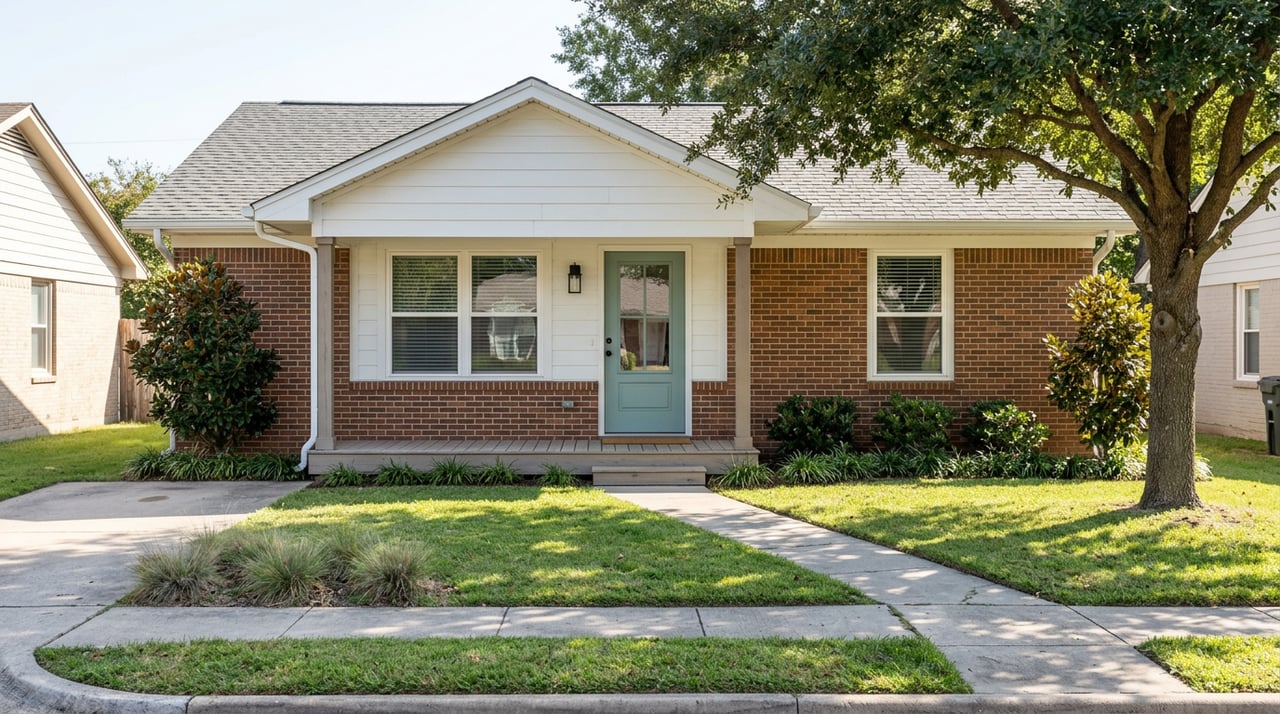
Define must‑haves and nice‑to‑haves: price range, commute, yard, and home condition. In Dillon, many starter options include older bungalows, small ranches, modest brick homes near downtown, and manufactured homes in certain areas. Stay flexible on cosmetic items and focus on structure, systems, and location.
3) Make a smart offer
With lighter bidding pressure, you can often include a standard inspection period and a realistic closing window of about 30 to 45 days for financed loans. Your agent will run local comps, align price and terms with the property’s condition, and advise on earnest money and contingencies.
4) Inspections and appraisal
Order the home inspection right away, plus pest/termite and any specialty checks recommended. Your lender will order the appraisal to confirm value. In a small market, an appraiser may need extra time to find comparable sales, so build in a little buffer.
5) Title, taxes, and utilities
Your closing attorney or title company will provide a title commitment. Review easements, restrictions, and any exceptions. Confirm whether the home uses municipal water and sewer or a private well and septic. The City of Dillon can help you verify utility service areas on its city information page. For tax history and parcel details, use the Dillon County offices and assessor resources.
6) Closing Disclosure and final review
Your lender must deliver a Closing Disclosure at least three business days before closing. Review it line by line, confirm cash to close, and ask about any changes. Protect your funds by verifying wire instructions directly with your closing attorney or title company using known phone numbers. The CFPB’s Owning a Home checklists are a great final review tool.
7) Walk‑through and move‑in
Do a final walk‑through to confirm agreed repairs and property condition. Bring a notepad for meter readings and appliance serial numbers if you plan to register warranties. Set up utilities and insurance, and keep your first‑month home budget light while you settle in.
Neighborhoods and first homes
Dillon’s in‑town areas include a designated historic district around downtown. Some older homes near Main Street and the rail corridor trade at starter‑friendly prices and may need renovation. For background on the district, see the state’s Dillon Downtown Historic District record. Nearby towns in Dillon County such as Latta and Lake View also offer options.
Use these filters to compare blocks and listings:
- Price and condition, including likely repair or upgrade needs.
- Lot size, outbuildings, and potential for future projects.
- Utilities and broadband availability. Verify whether the home is on city water and sewer or private systems.
- School assignment and commute patterns. Check official district resources for current boundaries and programs.
- Long‑term resale factors like proximity to downtown, I‑95, and local employment hubs.
Quick first‑time buyer checklist
- Get pre‑approved and request a Loan Estimate for each lender quote.
- Confirm which program fits: FHA, conventional, SC Housing assistance, or USDA.
- Build a full budget: down payment, closing costs, inspection fees, taxes, insurance, and an emergency cushion.
- Schedule inspections early and review reports with your agent.
- Confirm utilities, flood risk, and insurance needs for the address.
- Review title, tax history, and any deed restrictions with the closing attorney.
- Read your Closing Disclosure carefully at least three business days before closing.
- Plan move‑in logistics and first‑month home expenses.
Why work with a local pro
Local experience matters when the market is small and properties vary by street. You want an agent who knows the neighborhoods, understands program timelines, and can keep lender, title, and inspectors in sync. As a Conway‑born veteran serving the Pee Dee and Grand Strand, Kirk combines local roots with proven, repeatable results. With 200 plus closed transactions and a hands‑on, responsive style, he helps first‑time buyers in Dillon move from question to closing with clarity and confidence.
Ready to map your next steps or see homes that match your budget? Book a quick consult with The Kirk Stalvey to get a tailored game plan.
FAQs
How competitive is Dillon for first‑time buyers?
- Compared with large metros, Dillon often sees lighter competition and days on market in the multiple‑weeks range, which can allow standard contingencies and measured offer timelines.
How much cash do I need for a $185,000 home?
- A 3.5% FHA down payment is about $6,475, plus estimated closing costs of roughly 2% to 5% and inspection fees; ask your lender for a Loan Estimate to confirm cash to close.
What is the typical time from contract to closing?
- Many financed purchases close in about 30 to 45 days, depending on appraisal timing, title work, and any assistance program approvals.
Which down‑payment help is available in South Carolina?
- SC Housing offers first‑time buyer loans and down‑payment assistance that may be forgivable or low‑interest; check current programs and income limits on the state’s site and confirm with an approved lender.
Are USDA loans an option in Dillon County?
- Yes, many addresses in Dillon County can be USDA‑eligible; verify each property on USDA’s site and review borrower and property requirements with a qualified lender.
What inspections should I order in Dillon?
- Start with a general home inspection, then add pest/termite and any specialty tests your inspector recommends based on the home’s age, systems, and utilities.